Thinking About a New Lawn? Let's Talk Sod.
So, you're looking at your yard and thinking it needs a major upgrade, or maybe you just finished a big construction project and you're staring at a patch of dirt. Sod's a great option for getting an instant, green lawn. It's not magic, but it's pretty close when you compare it to seeding. But before you go hauling pallets of sod home, let's break down what you're really getting into.
I've seen a lot of folks try to tackle sod themselves, and some do a fantastic job. Others end up with a patchy, struggling lawn because they missed a few critical steps. Knowing what you're up against is half the battle.
Before You Even Think About Laying Sod
This is where most DIY projects go sideways. You can't just throw sod down on existing weeds or rocky soil and expect it to thrive. It just won't happen.
Soil Prep is King: This is non-negotiable. You need to clear out all the old grass, weeds, and debris. We're talking a clean slate. Then, you've got to amend your soil. Rapid City soil, especially if you're up in the foothills like in the Chapel Valley area, can be pretty heavy clay or really rocky. You'll want to add a good few inches of quality topsoil and organic matter, like compost, and work it into your existing soil. This improves drainage and gives those new sod roots something to grab onto. Don't skimp here; it's the foundation of your new lawn.
Grading and Drainage: Make sure your yard slopes away from your house. You don't want water pooling up against your foundation. This is a critical step, and if you're not comfortable with it, this might be your first sign to call a pro. Proper grading prevents future headaches like basement leaks or soggy spots in your lawn.
Soil Testing: Seriously, do it. A simple soil test will tell you what nutrients your soil is lacking. You can get kits or send samples to SDSU Extension. Knowing your pH and nutrient levels helps you pick the right amendments and starter fertilizer for your sod.
Measure Twice, Order Once: Figure out your square footage accurately. Add about 5-10% for waste or oddly shaped areas. You don't want to run short in the middle of the job, and you don't want a ton of extra sod sitting around drying out.
The Laying Process: It's a Race Against the Clock
Once that sod arrives, you're on the clock. It's living material, and it needs to get down and watered quickly. Ideally, within 24 hours, but sooner is always better, especially on a hot Rapid City summer day.
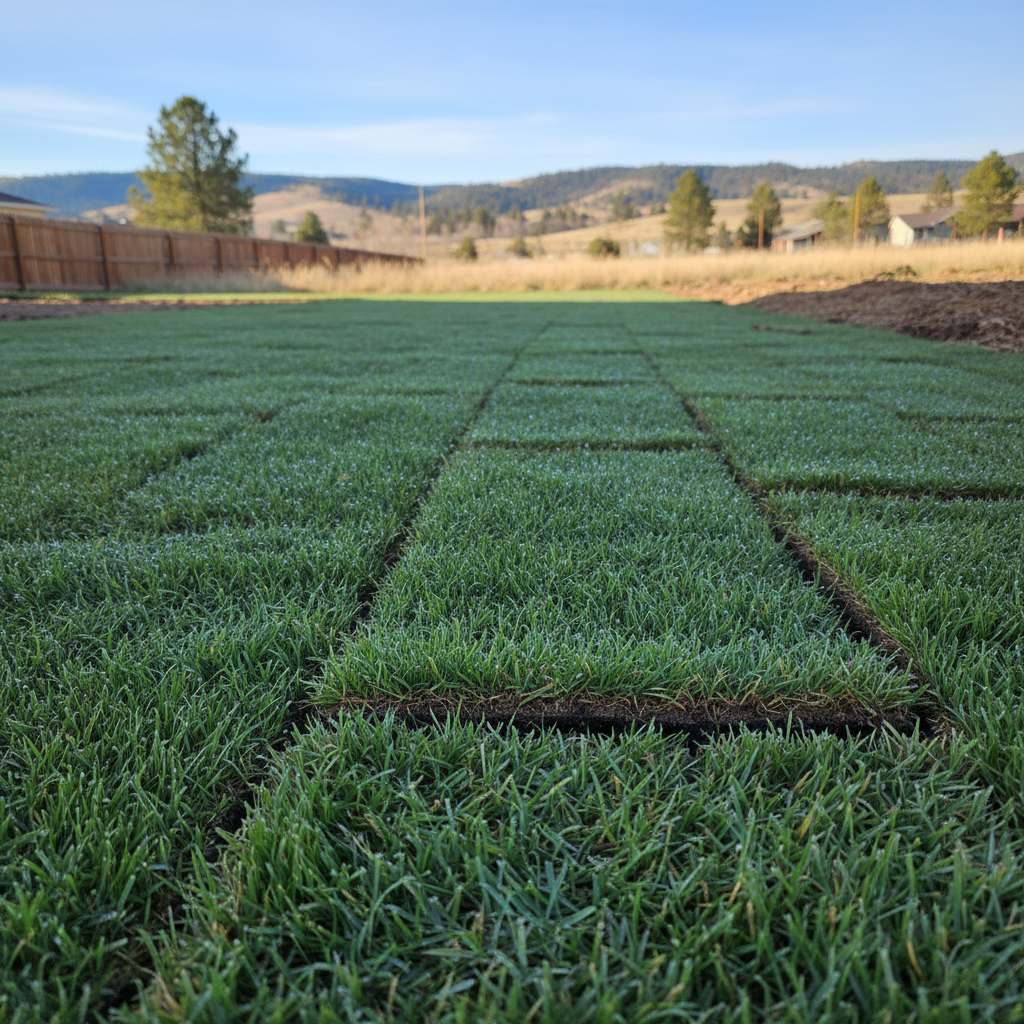
Start Straight: Begin along a long, straight edge, like a driveway or sidewalk. Lay the first row tightly, end-to-end. Stagger the seams like bricks in subsequent rows to avoid long, continuous lines.
No Gaps, No Overlaps: Butt the pieces together firmly, but don't overlap them. You want tight seams so the roots can knit together properly. If you have small gaps, you're asking for weeds to move in.
Cut to Fit: Use a sharp utility knife or a sod cutter to trim pieces. Don't leave small, thin strips on the edges; they dry out too fast.
Roll It: After you've laid a section, use a lawn roller (you can rent these) to ensure good contact between the sod and the prepared soil. This eliminates air pockets and helps the roots establish faster.
The Crucial Aftercare: Water, Water, Water!
This is probably the most important part of sod installation, and where many DIYers fall short. Your new sod needs consistent moisture to root properly.
Immediate Watering: As soon as you've laid a section, water it. Don't wait until the whole lawn is done. You want the sod itself and the top few inches of soil underneath to be thoroughly soaked.
Frequent, Shallow Watering (Initially): For the first 1-2 weeks, you'll be watering multiple times a day, usually 2-3 times, for shorter durations. The goal is to keep the sod moist, not waterlogged. Lift a corner to check that the soil beneath is damp.
Gradual Transition to Deeper Watering: After the first couple of weeks, as the roots start to take hold, you can gradually reduce the frequency and increase the duration of watering. You want to encourage those roots to grow deeper into the soil. Stick your finger in the soil; if it's dry an inch or two down, it's time to water.
Stay Off It: Try to minimize foot traffic for the first few weeks. Let those roots get established.
First Mow: You can usually mow for the first time about 10-14 days after installation, or when the grass is about 3-4 inches tall. Make sure your mower blades are sharp, and only cut off the top third of the blade.
When to Call Guardian Landscaping
Look, laying sod isn't rocket science, but it is hard work, and there are a lot of details that can make or break your new lawn. If you're looking at a large area, have significant grading issues, or just don't have the time or equipment for the intensive prep and laying, that's when you call us. We've got the heavy machinery, the experienced crew, and we know exactly what Rapid City soils need to get that sod thriving. We can handle everything from the initial grading to the final roll, ensuring your investment in a beautiful lawn pays off. Don't hesitate to reach out if you're feeling overwhelmed or just want it done right the first time.