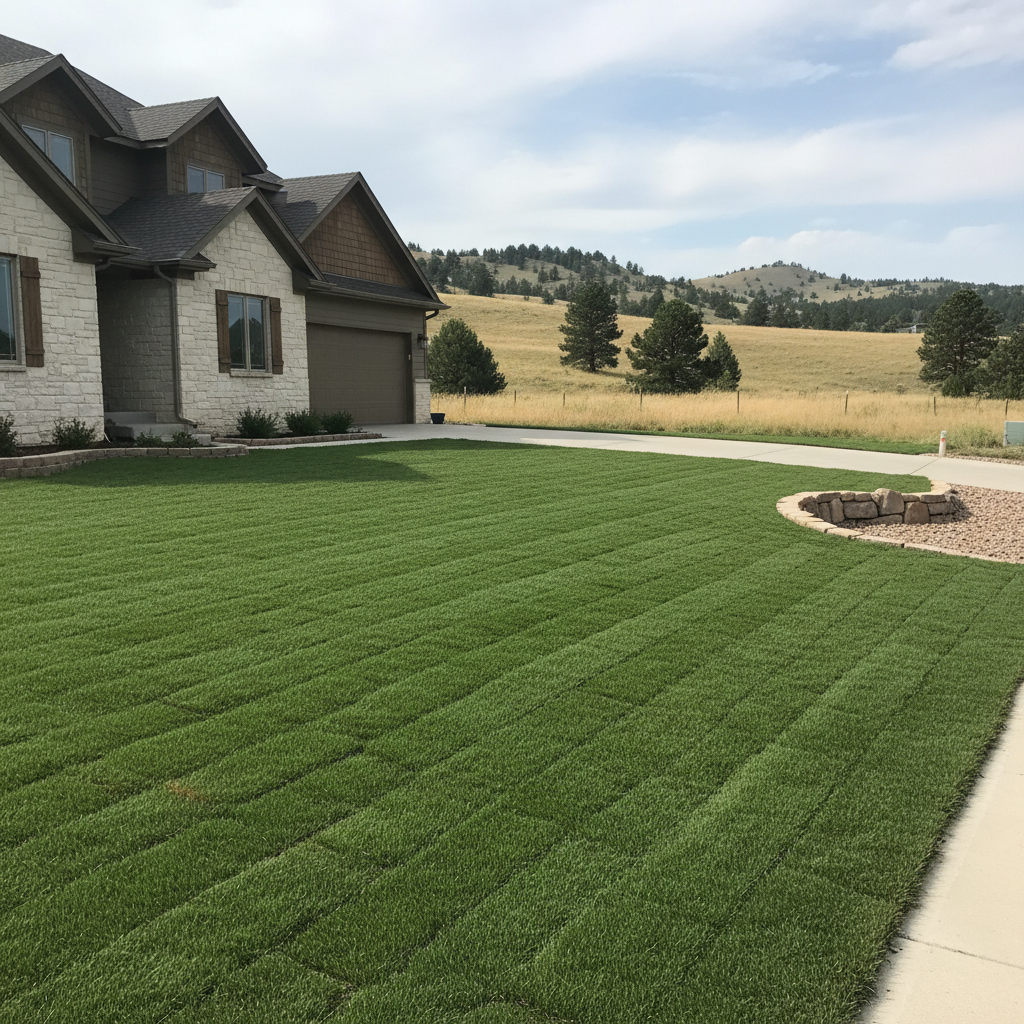
When's the Best Time for Sod in Rapid City?
So, you've decided you want a beautiful, instant lawn. That's fantastic! But with sod, timing is everything, especially here in Rapid City. You're not just throwing down grass, you know; you're laying living plants that really need to get established before our crazy weather hits them.
Generally, I tell folks the best times are late spring to early summer, or late summer to early fall. Think May through early June, or late August through September. Why then? Those periods usually offer milder temperatures and more consistent moisture, which is exactly what new sod craves. It gives the roots a real chance to dig in deep without the stress of scorching summer heat or the shock of an early freeze.
If you try to lay sod in the middle of July, well, you're fighting an uphill battle. The ground's often baked, the air is dry, and the sod has to work twice as hard just to survive. It can be done, sure, but you'll need to be incredibly diligent with watering, and even then, the success rate isn't as high. Same goes for late fall; if we get an early cold snap, that sod might not root well enough to make it through winter, and who wants that?
Weather Conditions That Make or Break Your Sod
You know how our weather can be around here – it changes on a dime. When we're planning a sod installation, we're always keeping a close eye on the forecast. Here's what we look for:
- Temperature: Mild is key. We're talking daytime highs between 60-80°F. Anything much hotter means more stress on the sod and more water needed. Anything much colder, especially overnight, can really slow down root growth.
- Rainfall: A little natural rain after installation is a blessing, but we definitely don't want a downpour during the actual work. Heavy rain can make the ground muddy, difficult to work on, and can even wash away all that careful soil prep. On the flip side, a week of dry, windy conditions right after installation is a nightmare because it dries out the sod way too quickly.
- Wind: This is a big one in Rapid City. We get some serious wind gusts, especially out toward Box Elder or down in the valleys. High winds can dry out newly laid sod incredibly fast, even if you're watering. It literally sucks the moisture right out of the grass blades and the soil underneath. We try to avoid laying sod on super windy days if we can help it.
- Soil Moisture: The ground needs to be prepared properly, and that includes having some moisture in it. If the soil is bone dry, it's harder for the sod roots to penetrate, and it'll take more water to get it established.
Protecting Your Investment Year-Round
So, you've got your beautiful new lawn. Now what? You've put in the effort (or paid Guardian Landscaping to do it!), so you want it to last. Here's how to protect that investment:
- Watering is Critical, Especially Early On: For the first few weeks, that sod needs constant moisture. I'm talking daily, sometimes twice a day, depending on the heat and wind. You want the top few inches of soil to stay damp, but definitely not soggy. Once it's rooted, you can cut back, but remember our dry climate. Even established lawns need a good soak when we haven't had rain.
- Don't Mow Too Soon: Give the roots a chance to grab hold. Wait at least a week, maybe two, before the first mow. When you do mow, set your deck high – never cut off more than a third of the blade height. Taller grass is healthier grass, especially in our climate.
- Fertilize Smart: A starter fertilizer is usually applied during installation. After that, follow a good fertilization schedule. I recommend a slow-release fertilizer in spring and fall. Don't overdo it, though; you can burn the grass.
- Watch for Pests and Weeds: New sod is pretty dense, which helps keep weeds down, but they'll eventually try to creep in. Keep an eye out for common Rapid City weeds like dandelions and crabgrass, and address them early. Same for pests; healthy grass is more resilient, but if you see issues, act fast.
- Winter Prep: Our winters can be brutal. A final deep watering before the ground freezes solid is a good idea. This helps prevent winter desiccation. Don't fertilize too late in the fall; you want the grass to start going dormant, not putting out new growth that'll just get zapped by the cold.
Getting sod installed is a big step toward a great-looking yard. Plan it right, keep an eye on the weather, and give it the care it needs, and you'll have a lush lawn that'll make your neighbors jealous.