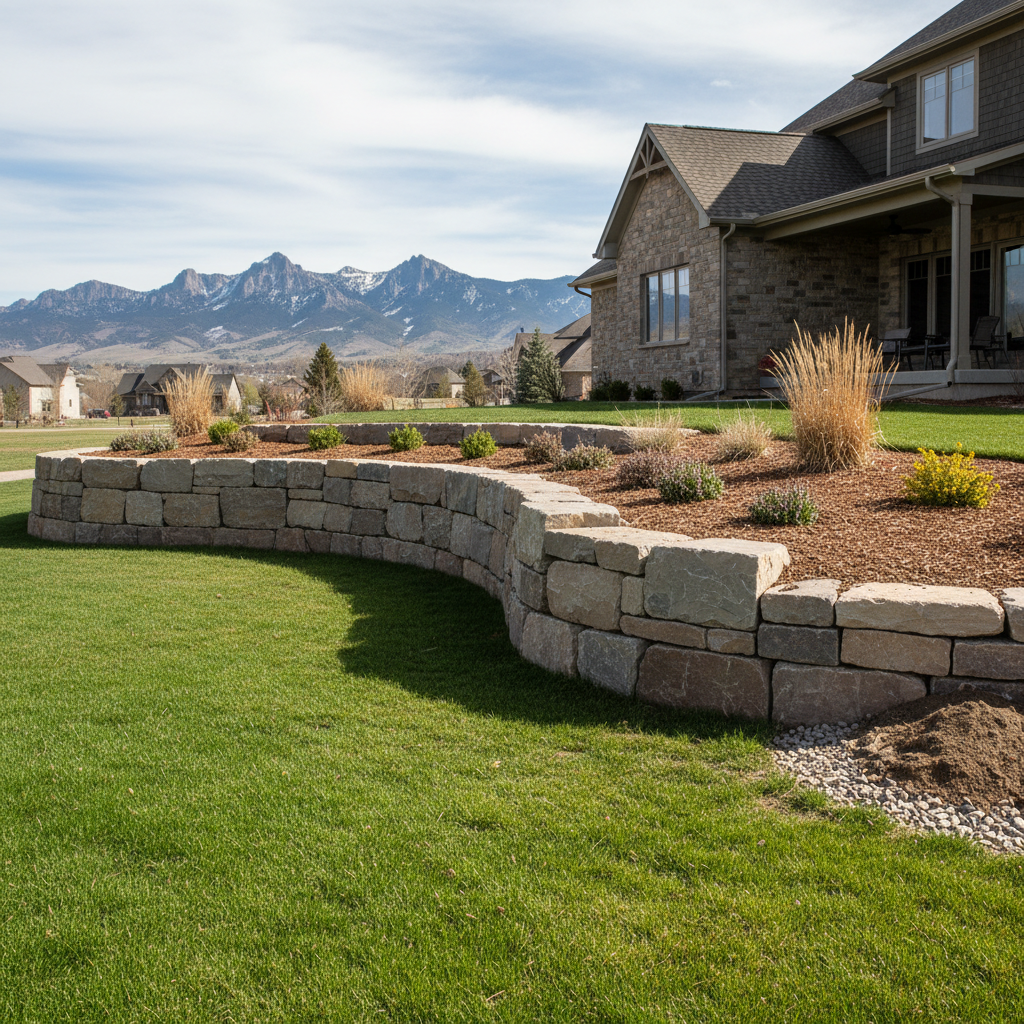
You're ready to tackle that sloped yard or define a new garden space with a retaining wall. That's a smart move, but in Rapid City, when you build that wall is almost as important as how it's built. Our weather here in the Black Hills isn't always predictable, and it definitely impacts construction.
When's the Best Time to Build a Retaining Wall?
Honestly, the sweet spot for retaining wall construction around here is usually late spring through early fall. Think May, June, July, August, and September. Why? A few reasons.
First, you need stable ground. Building a heavy structure like a retaining wall on frozen or thawing ground is just asking for trouble. When the frost goes out, the ground can get pretty mushy and unstable, especially in areas with a lot of clay, which we certainly have in parts of Rapid City, like around the foothills. You want the soil to be settled and workable, not a muddy mess or a rock-hard block of ice.
Second, consistent temperatures help with materials. If you're using concrete blocks or pouring concrete, extreme cold can mess with the curing process. It's not impossible to work in colder weather, but it adds complexity and cost, like needing to heat materials or protect fresh concrete from freezing. We'd rather put that effort into building a solid wall than fighting the elements.
Third, rain. A little rain isn't a problem, but prolonged heavy downpours can turn a job site into a swamp. It slows everything down and can compromise the foundation if the trenches fill with water before we can get the base material in. Spring can be wet, but usually, by late spring, we get more manageable rain patterns than the heavy snowmelt or early spring deluges.
Weather Conditions That Affect the Work
So, what exactly are we looking out for? It's more than just a sunny day.
- Frozen Ground: This is a big one. Trying to dig trenches for a foundation in frozen ground is slow, expensive, and can lead to an uneven base once things thaw out. We won't start a major retaining wall project if the ground is still frozen solid.
- Heavy Rain/Saturated Soil: As I mentioned, too much water makes digging difficult and can compromise the integrity of the base. We need firm, well-drained soil to compact properly for a strong foundation.
- Extreme Cold: Below freezing temperatures make working with some materials tricky. Mortar and concrete need specific temperatures to cure correctly. If it's too cold, it can weaken the final product.
- High Winds: While not as critical for the wall itself, high winds can make working with heavy blocks or machinery dangerous. Safety is always paramount on our job sites.
That's why scheduling is important. We're always watching the forecast and planning our projects to give your wall the best chance for a rock-solid start.
Protecting Your Investment Year-Round
Once your retaining wall is up, you want it to last. Here's what you need to keep an eye on:
- Drainage is King: I can't stress this enough. The biggest enemy of a retaining wall is water pressure behind it. Make sure the drainage system we installed – usually a perforated pipe and gravel behind the wall – stays clear. Don't let soil or debris clog the weep holes or the pipe outlets.
- Monitor for Cracks or Bulges: Small cracks can be normal with settling, but anything significant, or if you see the wall starting to bulge or lean, that's a red flag. Get it checked out immediately. Early intervention can save you a lot of money.
- Keep the Top Clear: Don't let heavy shrubs or trees grow right against the top of the wall. Their roots can put pressure on the structure over time, and their weight can add to the load the wall has to hold.
- Snow and Ice: Here in Rapid City, we get plenty of both. Try to avoid piling heavy snow directly against the wall, especially if it's a block wall with mortar joints. When that snow melts and refreezes, the expansion can put stress on the wall.
A well-built retaining wall, constructed at the right time of year and properly maintained, should last you for decades. We build 'em to stand up to whatever the Black Hills throws at them. If you've got questions about your existing wall or are thinking about a new one, give Guardian Landscaping a call. We're happy to take a look and give you our honest opinion.