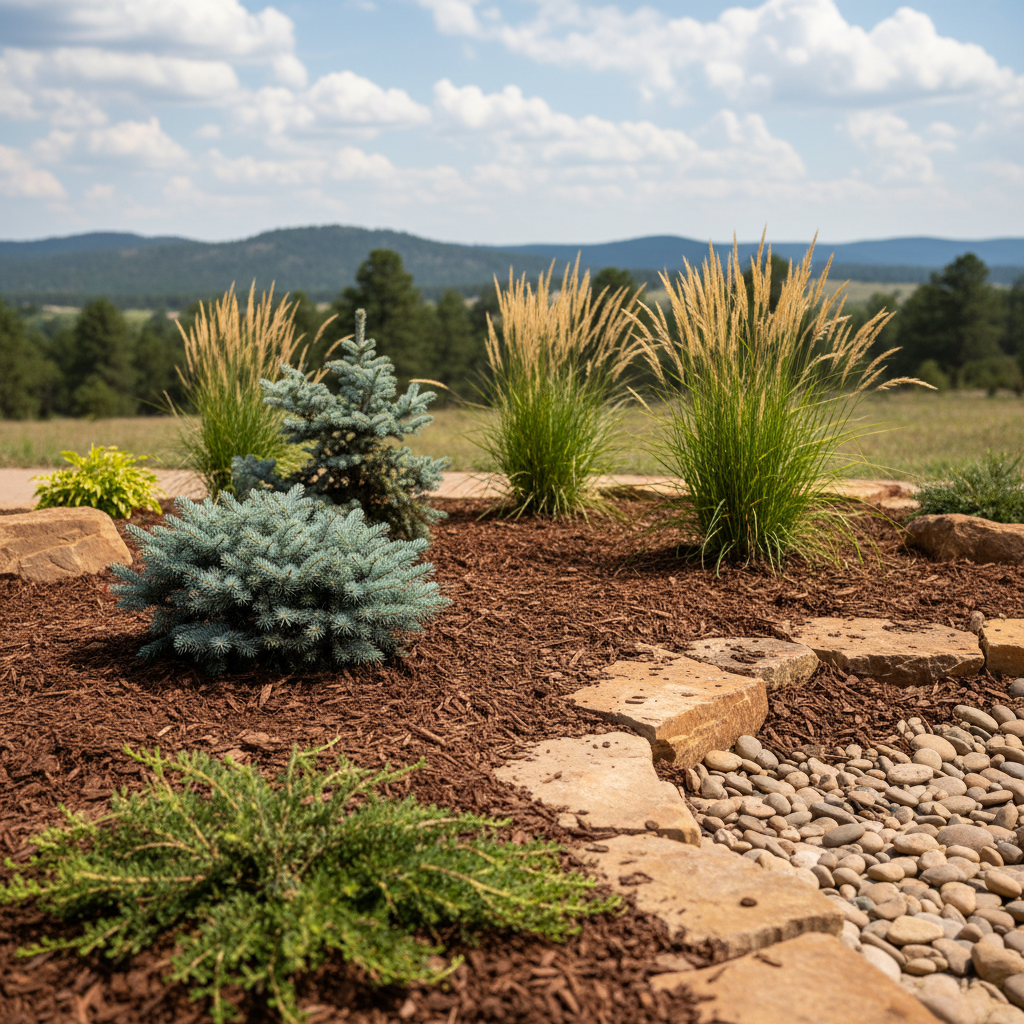
So, you want to put in some new planting beds or maybe spruce up the ones you’ve got. That’s a great way to boost your home’s curb appeal and make your yard feel a lot more inviting. But before you grab a shovel and start digging, there are a few things you really ought to consider.
Before You Break Ground: Planning is Key
Look, I’ve seen countless folks jump straight into buying plants they like without a real plan, and it almost always leads to disappointment. Don’t be that person. You need a vision, and it needs to be practical.
- Know Your Yard: Seriously, walk around. Where does the sun hit? How many hours of direct sun does that spot get? Is it morning sun, afternoon sun? What’s the drainage like? Does water pool up after a heavy rain, or does it dry out super fast? This is critical for picking the right plants.
- Soil Check: Rapid City soil can be pretty varied, from heavy clay in some of the older neighborhoods to sandier stuff out towards the hills. You can do a simple jar test to get a rough idea of your soil composition. Good soil is the foundation of a healthy bed, so if yours isn’t great, you’ll need to amend it. We’re talking compost, peat moss, maybe some sand if it’s too clay-heavy.
- Measure and Sketch: Get a tape measure and mark out the rough dimensions of your proposed bed. Draw it out on paper. Think about the shape – do you want straight lines, curves? How will it flow with your existing landscape?
- Plant Selection: This is where the sun and soil info comes in. Go for plants that are native or well-adapted to our climate (USDA Zone 4/5). Consider mature size – don’t plant something that’ll be a monster in a few years too close to your house or walkway. Think about bloom times, foliage color, and texture for year-round interest. Perennials are great because they come back, but annuals give you a pop of color each season.
During the Project: Getting Your Hands Dirty
Alright, you’ve got your plan. Now it’s time to get to work. This is where you decide how much you want to DIY.
- Edging: Define your bed. This could be a trench edge, plastic edging, metal, or even some nice stone. A good edge keeps your mulch in and your grass out.
- Soil Prep: If you determined your soil needs help, now’s the time to amend it. Spread a good layer of compost (2-4 inches) over the bed area and work it into the top 6-8 inches of your existing soil. This is hard work, no doubt about it.
- Planting: Dig holes that are twice as wide as the plant’s root ball and just as deep. Gently remove the plant from its container, loosen any circling roots, and place it in the hole so the top of the root ball is level with the surrounding soil. Backfill, gently tamp down, and water thoroughly. Give them space! They’ll grow.
- Mulching: Once everything’s planted, lay down 2-4 inches of mulch. This is a game-changer. It conserves moisture, suppresses weeds, and regulates soil temperature. Just keep it away from plant stems and tree trunks.
For most homeowners, the planning, plant selection (with some research), and the actual planting and mulching are totally doable DIY tasks. It’s rewarding work, and you’ll learn a ton.
When to Call a Pro: Save Your Back, Save Your Sanity
There are definitely times when bringing in a professional like us at Guardian Landscaping just makes sense. You don’t want to mess around with these things if you’re not sure.
- Major Earth Moving: If you’re changing the grade of your yard significantly, adding large retaining walls, or need heavy machinery, that’s pro territory. You can cause drainage issues or even structural problems if you don’t know what you’re doing.
- Complex Designs: Have a really intricate vision with multiple levels, integrated irrigation, or specific hardscaping elements? A landscape designer can make sure it’s functional and beautiful.
- Large Scale Projects: If you’re tackling your entire front and back yard at once, it can be overwhelming. We’ve got the crew and equipment to get it done efficiently and correctly.
- Time or Physical Limitations: Let’s be honest, digging, hauling soil, and moving heavy bags of mulch is tough work. If you don’t have the time, the physical ability, or just plain don’t want to do it, that’s what we’re here for.
- Persistent Problems: If you’ve tried planting things and they keep dying, or you have serious drainage issues, a professional can diagnose the problem and offer solutions you might not have considered.
Whether you go DIY or call us, a well-designed and properly planted bed will bring you a lot of joy and add value to your Rapid City home. Just remember to plan smart, work hard, and don’t be afraid to ask for help when you need it.