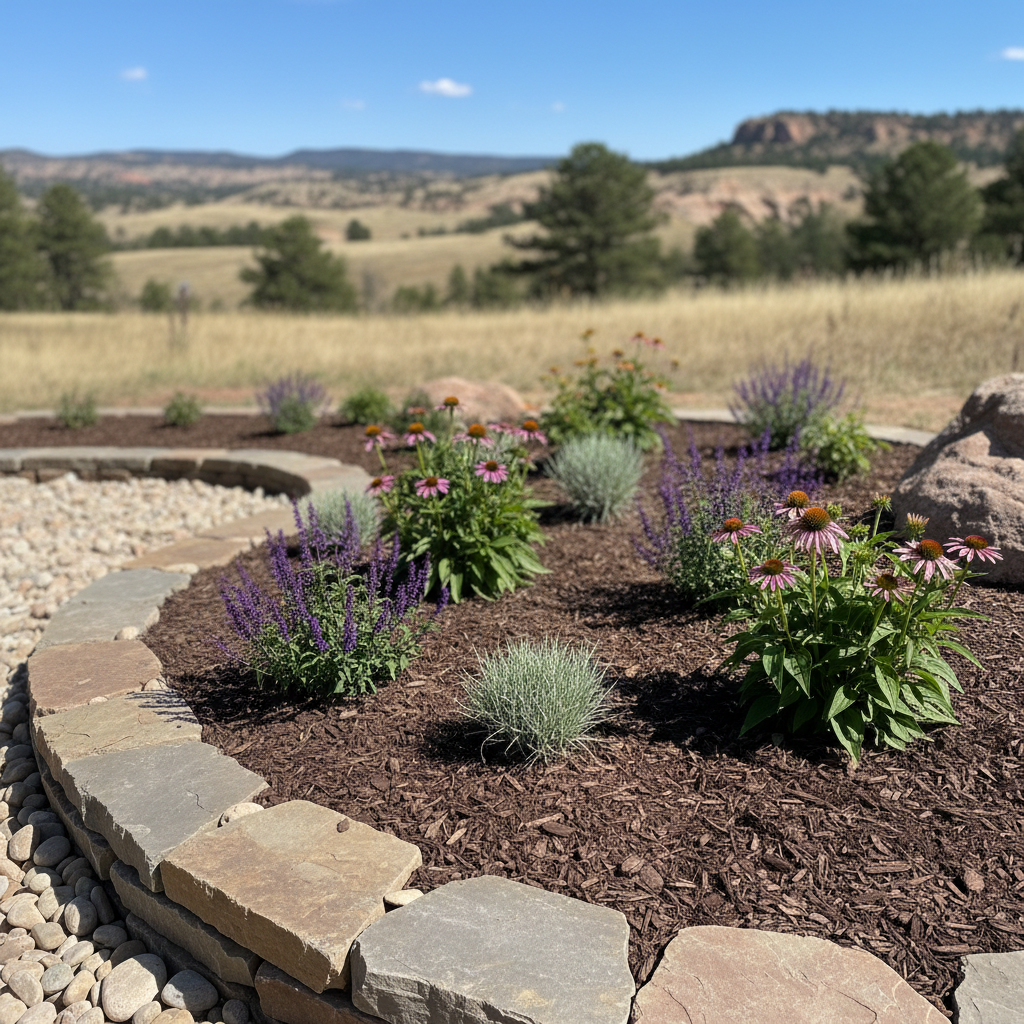
You've got questions about your yard, and I've got answers. Over the years working on properties all over Rapid City, from the older homes downtown to the newer builds out by Ellsworth, I've heard pretty much every question you can imagine about planting and designing garden beds. People want to make their yards look good, sure, but they also want to make smart choices that'll last without a ton of hassle. So, I figured it's time to tackle some of the most common ones head-on.
What plants actually thrive in Rapid City's climate?
This is probably the number one question I get. Our climate here in Rapid City can be a real challenge, with those hot, dry summers and brutal, cold winters. Plus, we've got that heavy clay soil in a lot of areas, especially on the west side of town. You can't just pick anything off the shelf at the big box store and expect it to do well. For trees, you can't go wrong with things like Honey Locust, Aspen, or some of the tougher Maples. Shrubs like Potentilla, Lilacs, and certain varieties of Spirea are pretty bulletproof. For perennials, think about things that are native or very well-adapted to our Zone 4/5 conditions: Coneflower (Echinacea), Black-Eyed Susan (Rudbeckia), Daylilies, and Sedum are always good bets. Don't forget ornamental grasses like Karl Foerster Reed Grass; they're tough and add great texture.
How do I deal with our tough clay soil?
Ah, the Rapid City clay. It's a blessing and a curse. It holds nutrients well, but it can be a nightmare for drainage and root development. The best thing you can do is amend it, and I mean really amend it. Don't just throw a bag of potting soil on top. You need to mix in a good amount of organic matter – compost, well-rotted manure, peat moss – deep into your beds. We're talking digging down at least 12-18 inches and blending it thoroughly. This improves drainage, aeration, and makes it easier for roots to spread. For new beds, sometimes it's worth bringing in some quality topsoil to mix in with your existing clay too. It's hard work, but it pays off big time.
Should I use raised beds or plant directly in the ground?
Both have their place, but for a lot of situations in Rapid City, raised beds are a fantastic option. If you've got really poor soil, or a lot of rock just under the surface (which happens a lot around here, especially in areas closer to the hills), raised beds let you control the soil quality completely. They also warm up faster in the spring, which is great for vegetables, and they can be easier on your back. The downside? They can dry out faster, so you might need to water more frequently, and they cost more to build and fill. If your existing soil is decent and you're planting larger shrubs or trees, direct planting is usually fine, especially if you've done your soil amendments.
What's the best way to plan my bed layout for year-round interest?
This is where good design comes in. You don't want your garden to look great for two weeks in July and then be a barren wasteland the rest of the year. Think in layers and seasons. Start with your 'bones' – evergreen shrubs or small trees that provide structure in winter. Then add plants that bloom at different times: early spring bulbs, mid-summer perennials, and late-season flowers like asters or mums. Don't forget plants with interesting foliage color or texture, even when they're not blooming. Group plants with similar water and light needs together. And always consider the mature size of your plants; you don't want to overcrowd things or have a tiny plant get swallowed up by a giant neighbor.
How much sun do my plants really need?
This is crucial and often misunderstood. 'Full sun' usually means 6+ hours of direct sunlight a day. 'Partial sun' or 'partial shade' is typically 3-6 hours, often with some protection from the intense afternoon sun. 'Full shade' is less than 3 hours. The problem is, the sun in Rapid City can be pretty intense, especially in July and August. A plant that wants 'full sun' in a cooler climate might appreciate a little afternoon shade here. Watch your yard throughout the day, through all seasons if you can, to really understand where the sun hits and for how long. Trees grow, houses cast new shadows, so it's not always a static thing. Don't just guess; observe.
How do I keep deer and other critters from eating my plants?
Deer are a constant battle in many parts of Rapid City, especially if you're closer to the hills or have open space nearby. They're hungry, and they're not picky. Fencing is the most effective solution, but it's not always practical or aesthetically pleasing. If fencing isn't an option, you'll need to focus on deer-resistant plants. Nothing is 100% deer-proof if they're hungry enough, but they tend to avoid plants with strong scents, fuzzy leaves, or toxic properties. Think things like Lavender, Peonies, Bleeding Hearts, or some ornamental grasses. You can also try repellents, but they need to be reapplied regularly, especially after rain. It's a persistent effort, but you can definitely minimize the damage with the right strategy.
Look, designing and planting your beds isn't just about making things look pretty; it's about creating a sustainable, thriving landscape that works for our unique conditions here in Rapid City. If you've got more questions, or if you're ready to get some help bringing your vision to life, give us a call at Guardian Landscaping. We're always happy to talk dirt.